Adhesion you can see
The membrane’s release film is removed and the sheet is rolled into a prepared surface. Proper placement, pressure and manufacturer requirements still matter just as much as the product.
Self-adhered modified bitumen
Self-adhered roofing is still modified bitumen, but it installs differently than torch-down. The release film is removed, the membrane is set into place, then pressure is applied with the proper roller for controlled adhesion and a cleaner finished appearance.
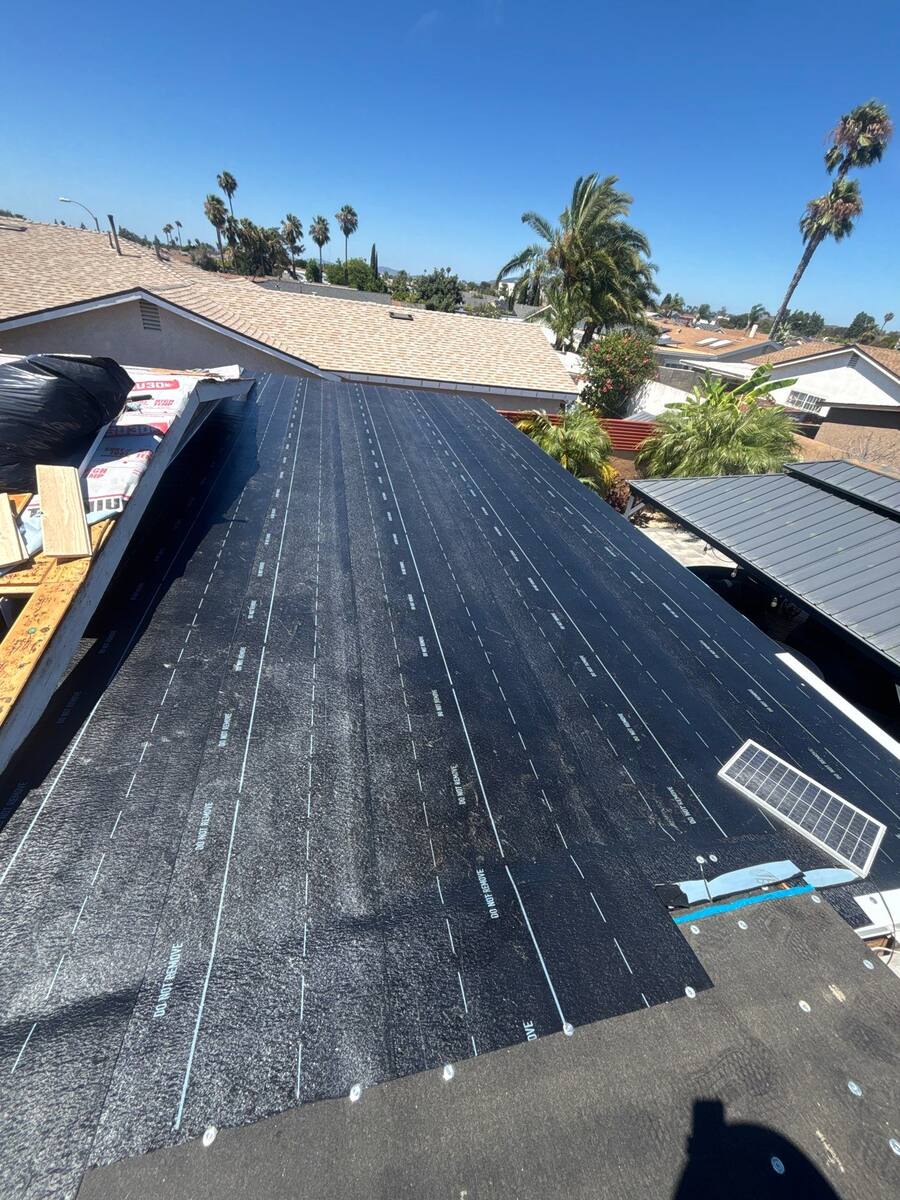
Different application. Same seriousness.
Self-adhered is not a shortcut. It is a good modified-bitumen option when the roof, substrate and site call for controlled adhesion with less field hot work.
The membrane’s release film is removed and the sheet is rolled into a prepared surface. Proper placement, pressure and manufacturer requirements still matter just as much as the product.
The main field membrane does not rely on a torch to melt the back of every roll. That reduces hot-work exposure around many occupied properties.
Owners who do not like the visible asphalt bleed-out or scorch marks of torch-applied roofing often appreciate the neater appearance of self-adhered systems.
Build the roof for the next owner too
People use “one-layer,” “two-layer” and “three-layer” differently. We show what is actually installed on the deck, what is self-adhered and what it means for future service.
Mechanically attached base + cap
A base sheet is mechanically attached with metal cap fasteners after deck inspection and preparation. A self-adhered cap sheet goes over it with compatible edge and penetration details.
Base + smooth interply + cap
A mechanically attached base is followed by a smooth self-adhered interply, then flashings, primed metal transitions and a granulated cap sheet. This is the more substantial build for roofs protecting occupied space.
The Zenith process
Self-adhered does not mean skipping preparation. The roof only performs when the deck, fasteners, metal and details are handled correctly first.
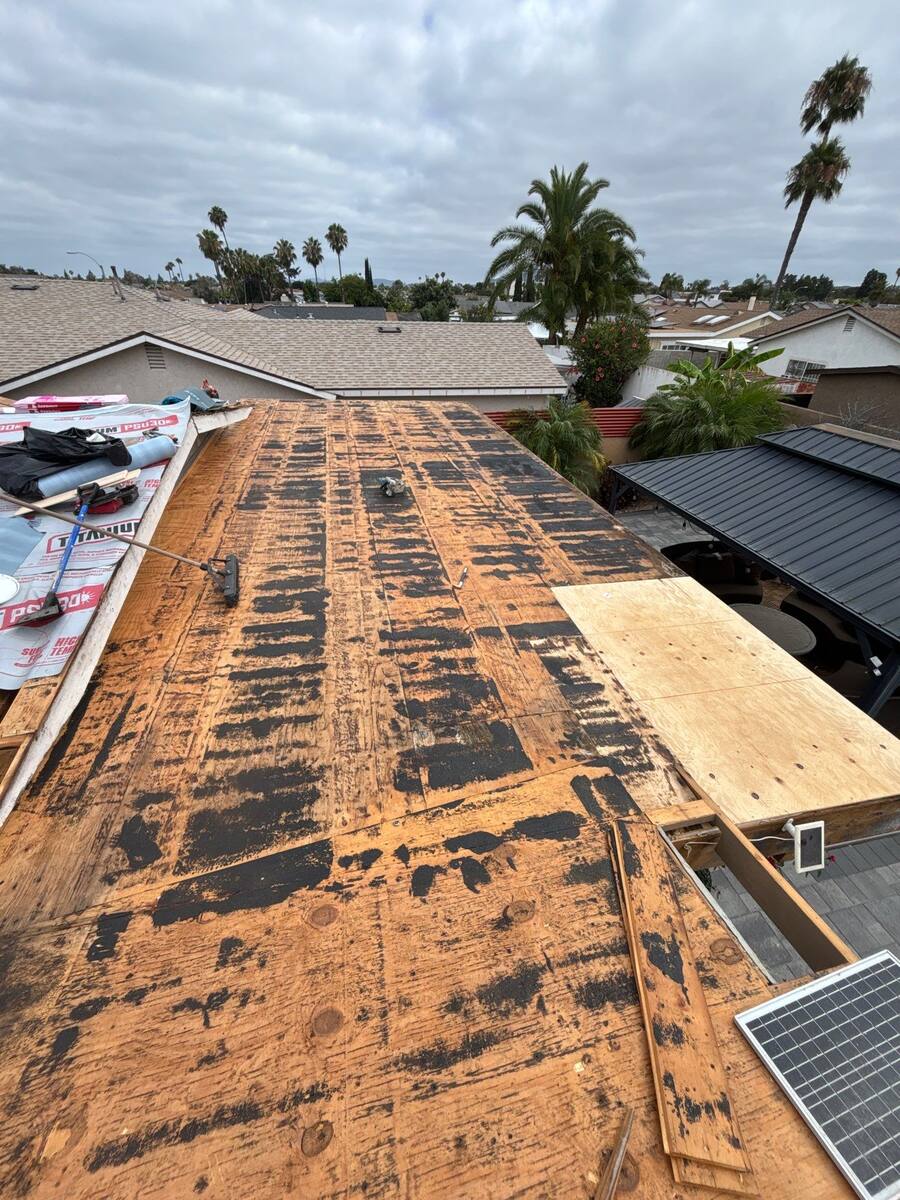
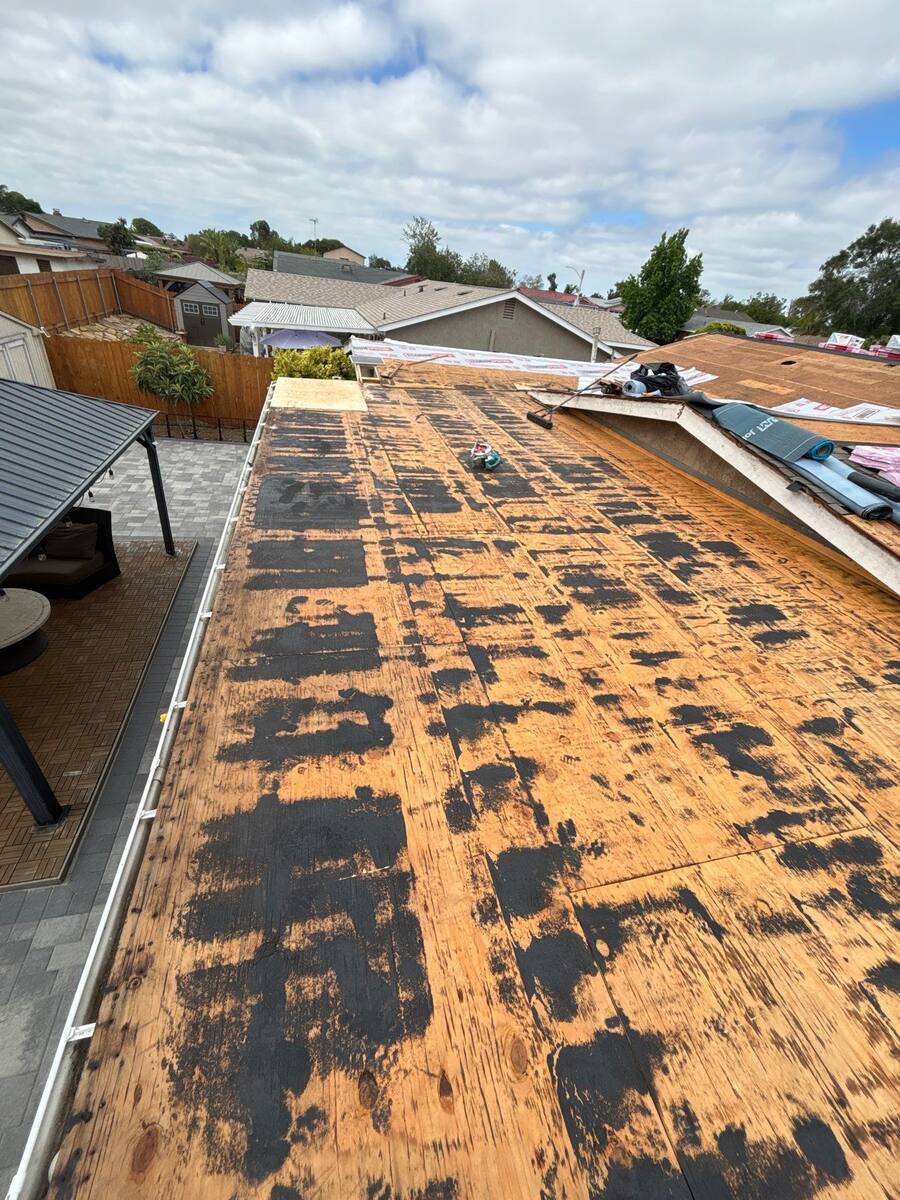
We remove the existing roofing as scoped, clean the deck and inspect for dry rot, damaged sheathing and other conditions that cannot responsibly be covered.
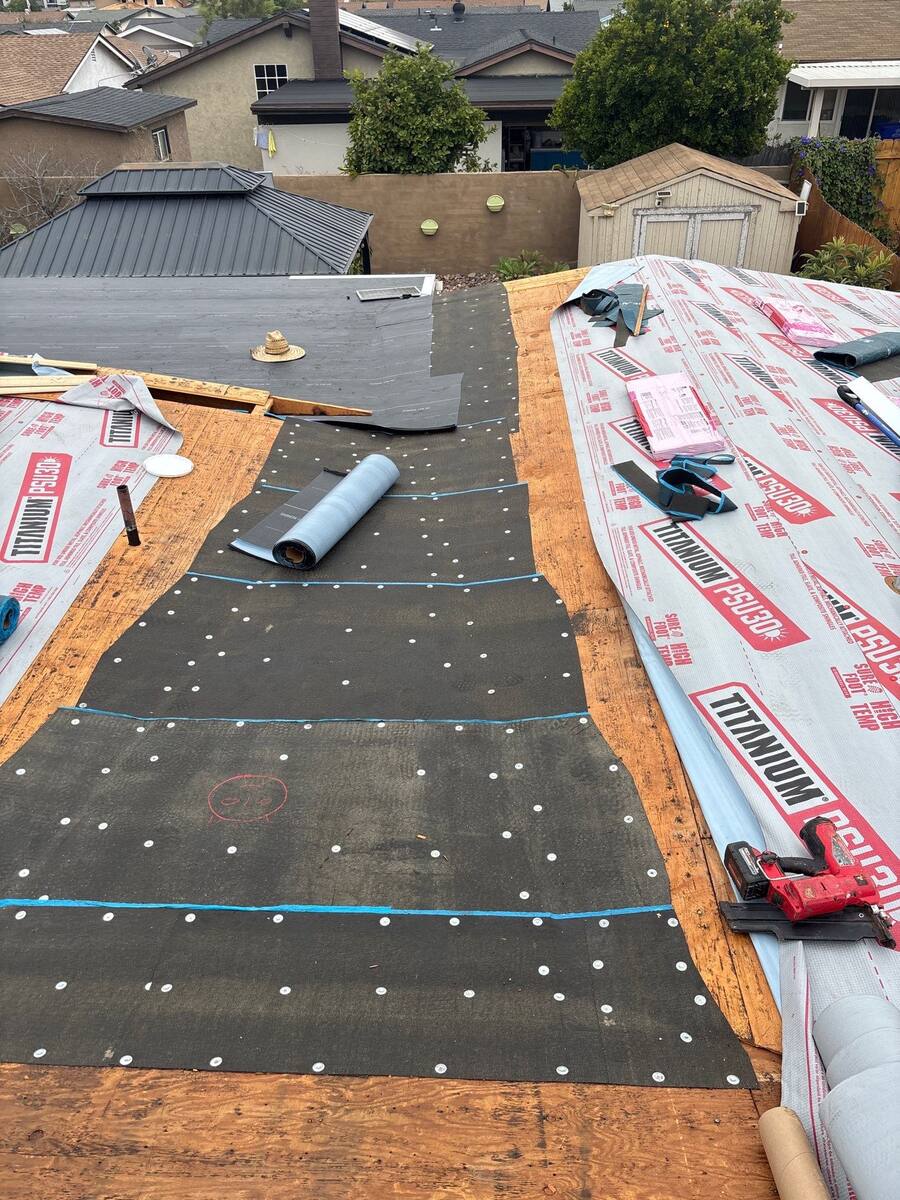
The deck is readied for the selected assembly. Where the system uses a mechanically attached base, metal cap fasteners secure the base before the next layer.
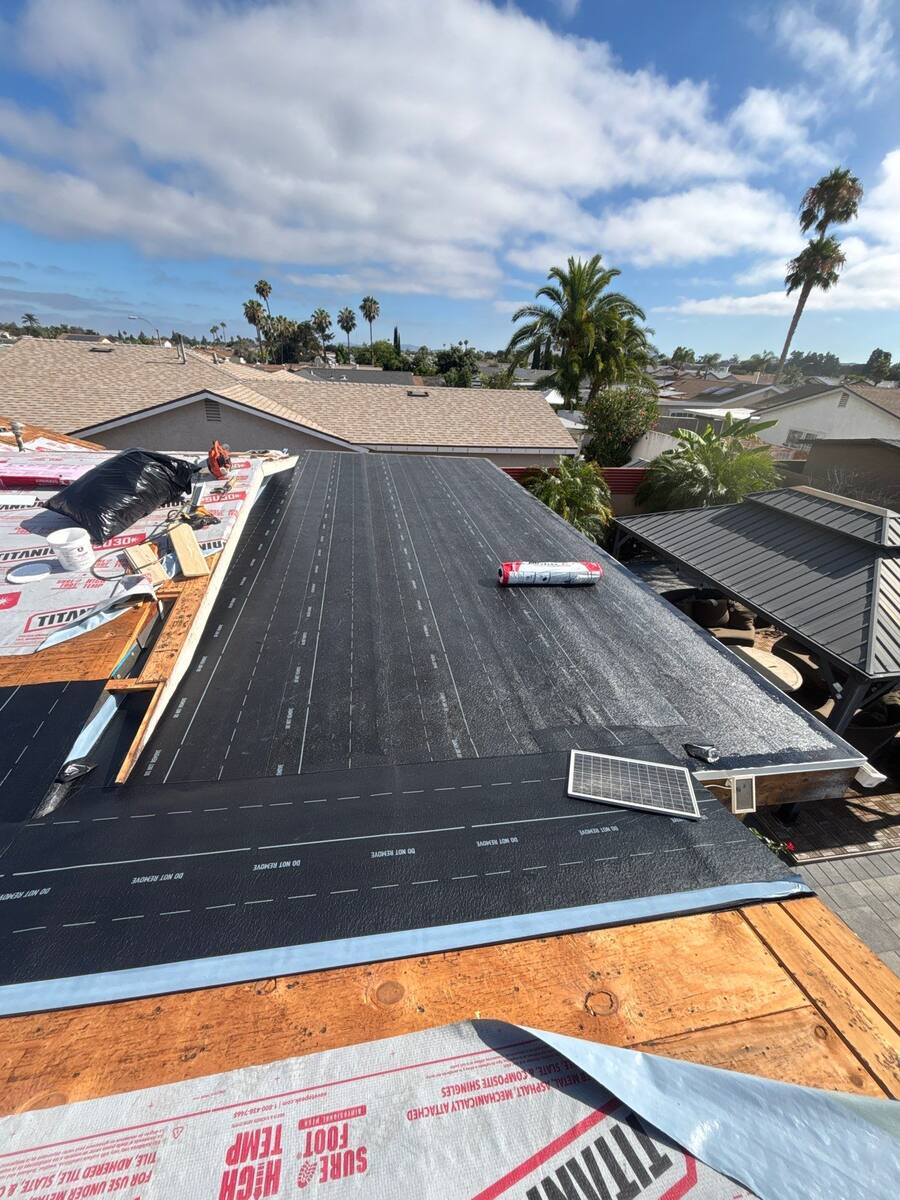
Release film is removed as self-adhered sheets are installed. Courses are aligned, overlapped and rolled according to product requirements.
Edges, metal, pipes, walls, penetrations and transitions are flashed and sealed with compatible methods. We then complete a final cleanup.
The details are the roof
We prime metal where the selected system requires it and build the transitions before the cap sheet closes everything in. Around pipes, corners and difficult edges, a hot-air tool may be used only where the specific membrane manufacturer allows it to form the required seal—then the detail is pressed or weighted as required.
Heat is never a substitute for proper membrane placement, laps or rolling pressure. Every detail follows the product instructions, roof configuration and applicable safety controls.
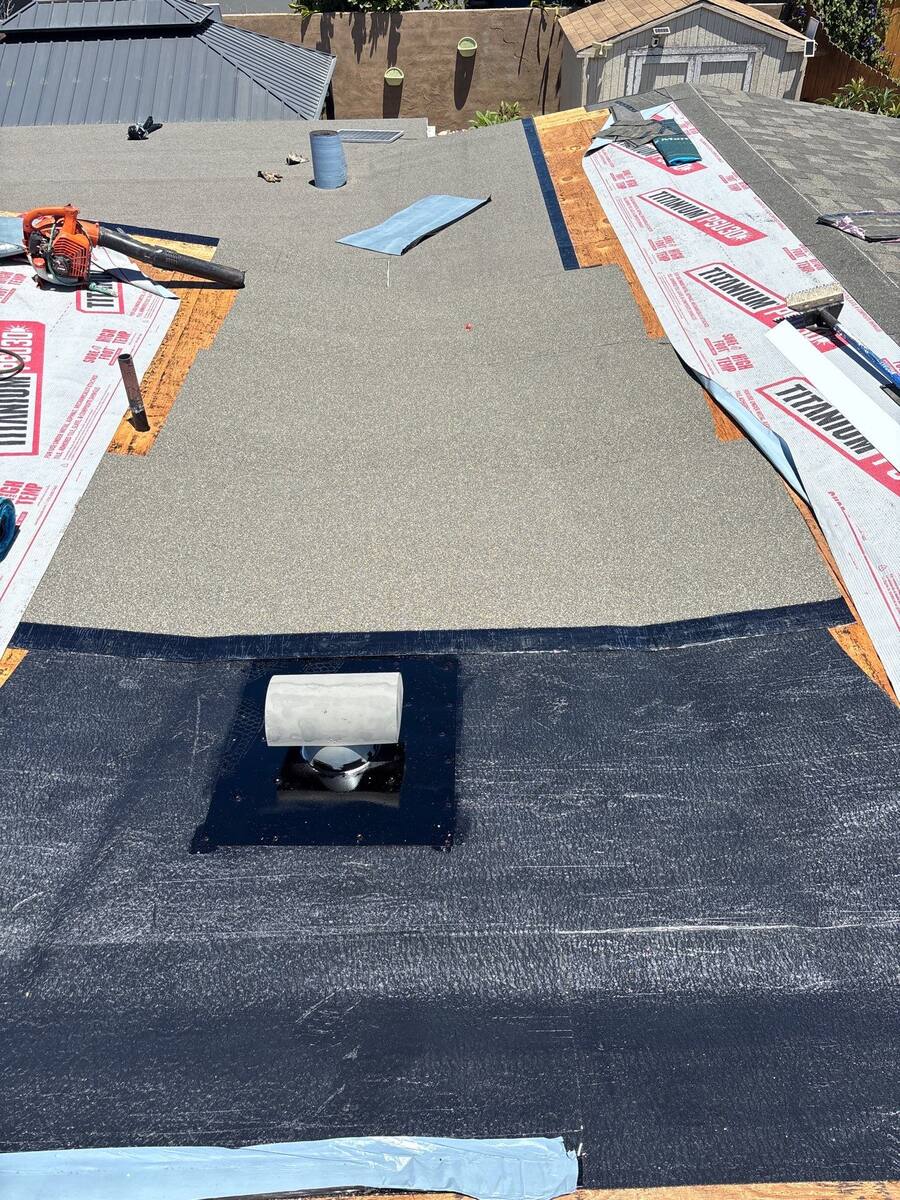
Real Zenith field work
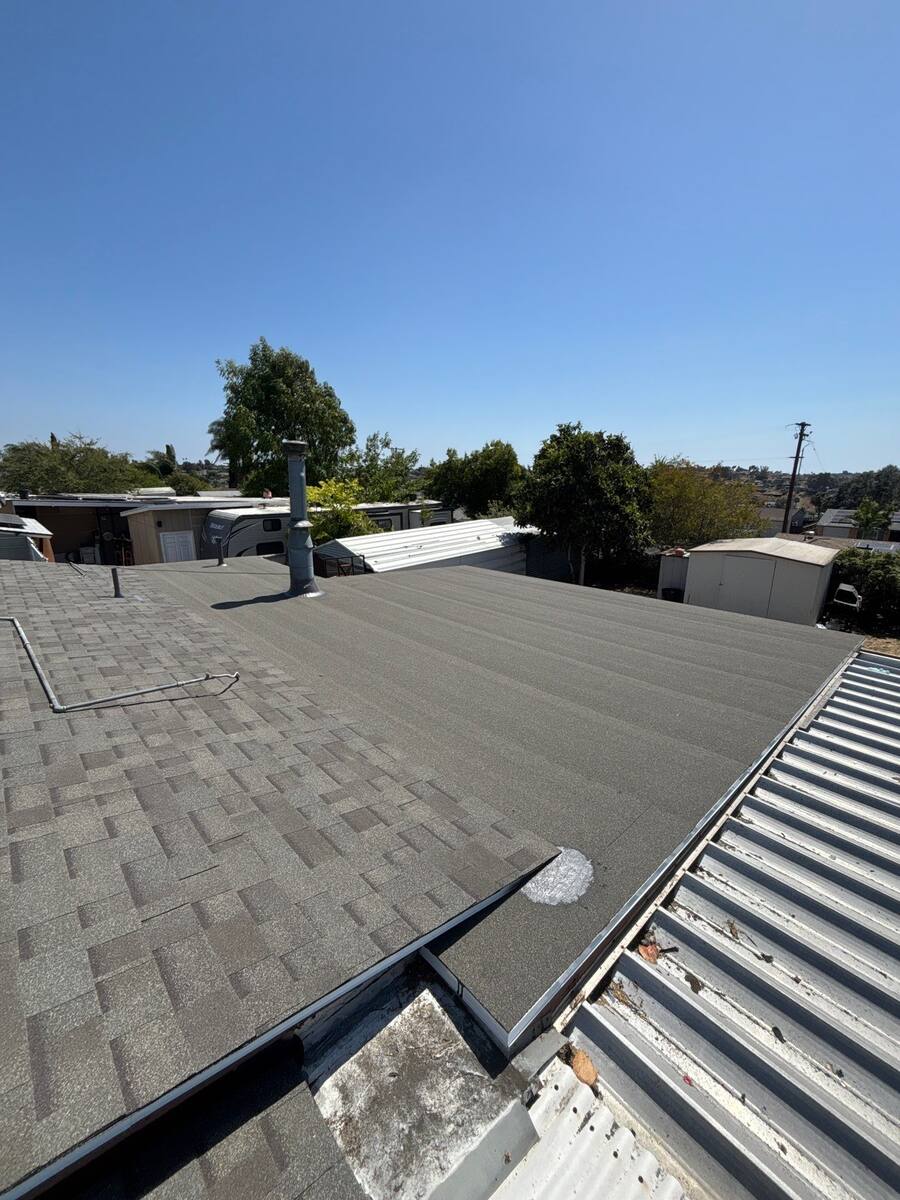
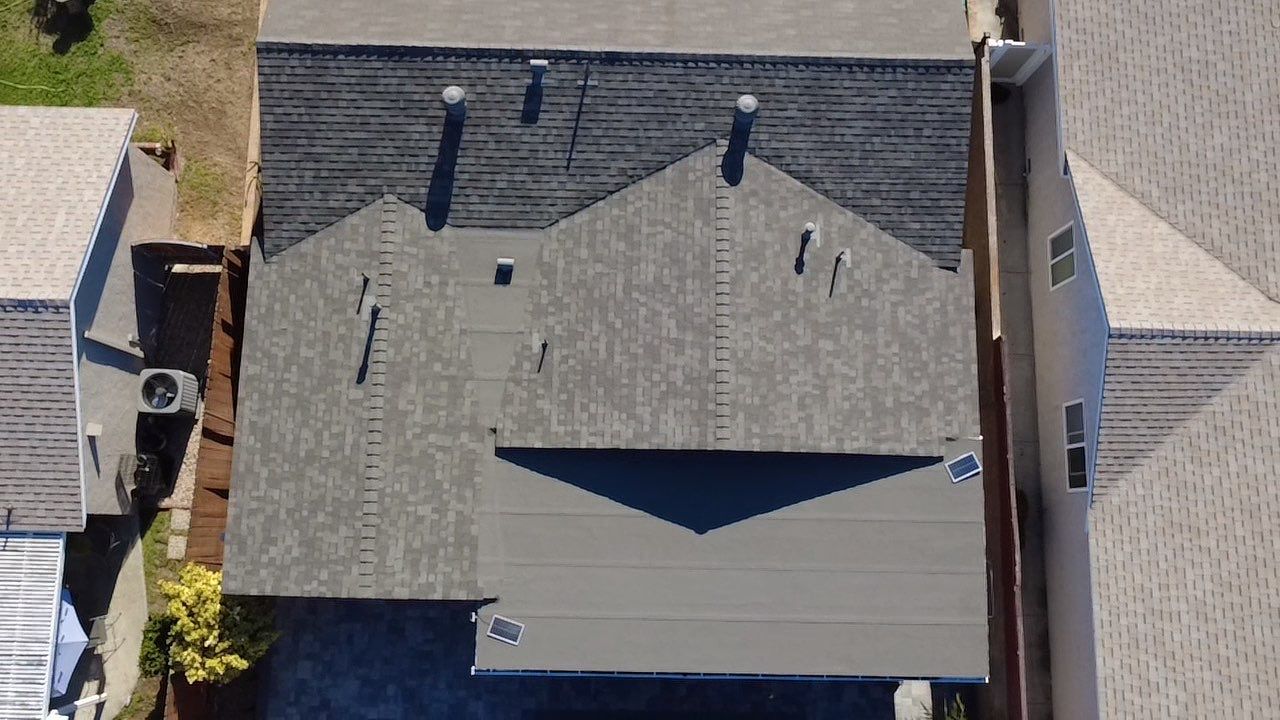
This sequence shows the part of the roof most people never see once the work is complete: the substrate, base attachment, membrane courses and finished system.
An underrated option
Self-adhered modified bitumen can be safer, faster and more economical on labor for the right project, while still delivering a robust modified-bitumen roof. Torch-down remains a good system when it is fully and correctly applied. The important part is choosing the system and installer that make sense for the property.
Questions property owners ask
Both can be durable modified-bitumen systems when the correct assembly, preparation, installation and detailing are used. The best choice depends on the roof deck, building use, conditions and manufacturer requirements.
The field membrane is not torch-applied. Some manufacturers permit limited hot-air use at specific details, but only as directed for that product. The system still needs correct laps, rolling pressure and compatible flashings.
It keeps the base from being permanently adhered to plywood, which can make a future removal more straightforward. Direct-adhered base sheets can be appropriate in listed assemblies, so we review the best path before choosing the system.
It can be considered for compatible low-slope sections. For occupied areas, Zenith discusses whether the assembly should include the additional interply and detail work of a more substantial multi-ply system.
Tell us what is on the roof now, whether the area is over living space, known leaks and access considerations. Photos help us prepare for the inspection.
We inspect the deck, existing layers, edges and details before recommending a self-adhered modified-bitumen system.
A better decision starts with the roof