Slate sheds the weather
Properly lapped natural slate creates multiple layers of durable stone. The amount of exposure and headlap depends on the slate size, roof slope and installation.
Natural slate repair specialists
Natural slate has a clean, long-lasting appearance, but repairing it takes the right tools and a patient approach. Zenith replaces broken slate, repairs flashing and transitions, and opens sections when the underlayment beneath the slate has reached the end of its service life.

Thin stone, substantial overlap
Each slate is long and thin. Much of it is concealed by the courses above, including the two nails commonly used near its upper end.
Properly lapped natural slate creates multiple layers of durable stone. The amount of exposure and headlap depends on the slate size, roof slope and installation.
Slate is normally secured near the upper portion of each piece. The next courses cover those fasteners, which is why removing one slate requires a specialized tool.
The stone can remain attractive while older underlayment, fasteners and flashing at valleys, walls and penetrations deteriorate beneath it.
One damaged piece may need replacement. A recurring leak can require opening a larger section to reach failed underlayment or flashing and tie the repair into sound material.
The specialized tool
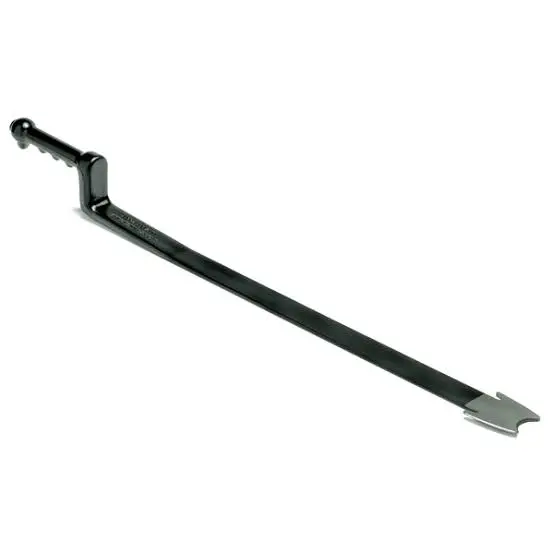
A slate ripper, also called a slater’s ripper or slate rip, is a long, thin steel bar designed to slide beneath overlapping slate. Its hooked or arrow-shaped end catches the concealed nail. The handle is struck with a hammer to pull or shear the nail.
Once both nails are released, the damaged slate can slide out. That narrow access is what makes a slate ripper more practical than trying to force a thick pry bar or short reciprocating-saw blade beneath several courses.
We assess the surrounding pieces, likely leak path and safe access before disturbing the roof.
The slate ripper slides beneath the piece and is worked upward until its hook catches each concealed fastener.
After the nails are pulled or sheared, the thin slate is removed without unnecessarily lifting entire courses.
A compatible slate is sized and secured with an appropriate nail-and-bib or slate-hook repair detail.
What causes slate roof problems
Foot traffic, impact, failed fasteners and natural defects can leave a piece cracked, loose or missing. Broken slate also exposes the layers below.
Underlayment does not last forever. When it becomes brittle across a section, replacing one visible slate may not address the full water path.
Valleys, chimneys, walls, skylights and pipes interrupt the slate field. Corroded, undersized or poorly tied-in metal can leak even when nearby slate is intact.
Changes in roof slope or direction concentrate water. Debris and improper repairs can redirect it beneath the slate or sideways across underlayment.
Natural slate is thin and can break under concentrated pressure. Access, staging and tool placement must be planned to avoid creating more damage.
When nails corrode or lose their hold, otherwise serviceable slate can begin to slip. The repair must secure the new or reusable piece without damaging adjacent courses.
Repair the right amount of roof
We recommend the smallest scope that can restore a continuous, reliable water path and tie into sound materials.
Maintenance
For isolated breakage when the surrounding roof and waterproofing remain serviceable.
Localized leak
A limited area is opened around a valley, pipe, wall, chimney or transition.
Often best value
Slate is removed and staged across a larger area when nearby underlayment has also aged.
Widespread aging
Appropriate when leaks repeat, fasteners are failing broadly or the original waterproofing is no longer dependable.
We offer slate roof maintenance that can include replacing broken or slipped slate, clearing debris from valleys and drainage paths, reviewing flashing and documenting developing concerns.
Slate replacement is more specialized than swapping a thick concrete tile. The pieces are thin, long, expensive and vulnerable to breakage during access. Matching the original thickness, size, color and exposure also matters to the finished appearance.
Maintenance is most useful before broken or slipped slate leaves underlayment exposed to repeated sun and water.
Slate roof repair FAQ
It is a slate ripper, also called a slater’s ripper or slate rip. It slides beneath the slate and catches the concealed nails. Striking the handle with a hammer pulls or shears the fasteners so the slate can slide out.
Yes, when the damage is isolated. The old slate can be removed with a slate ripper and a compatible replacement secured using an appropriate slate repair detail.
Natural slate is costly, fragile under concentrated pressure and often difficult to match. Safe access, removal of concealed fasteners and careful staging take more time than many ordinary tile repairs.
Often, yes. Serviceable slate can be carefully removed, sorted and reinstalled after underlayment or flashing is replaced. Some breakage and replacement material should still be anticipated.
Yes. Slate sheds most weather, but underlayment provides secondary protection and is especially important while a repair area is open. Valleys, walls and penetrations also depend on properly integrated flashing.
Yes. Zenith Roofing Services offers natural slate repair and maintenance throughout San Diego County, North County and Southwest Riverside County, including Temecula and Murrieta.
Local slate roof service
Zenith provides natural slate inspection, maintenance and repair in Escondido, San Marcos, Vista, Oceanside, Carlsbad, Encinitas, Rancho Santa Fe, Del Mar, Poway, San Diego, Temecula, Murrieta and nearby communities.
*Free estimates exclude real-estate transaction inspections and reports. Buyers, sellers and agents should use our Real Estate Services.