Gutters & downspout entries
Remove roof debris at the gutter line and check the roof-to-gutter path so water can leave the roof efficiently.
Preventive Roof Maintenance
Leaves, pine needles, dirt and roof debris can collect in gutters, valleys, scuppers and drains. We clear the places where water needs to move—then document what we find.
Drainage-first maintenance
This is not a cosmetic wash service. It is practical roof maintenance focused on keeping drainage paths open and noticing problems while they are still visible.
Remove roof debris at the gutter line and check the roof-to-gutter path so water can leave the roof efficiently.
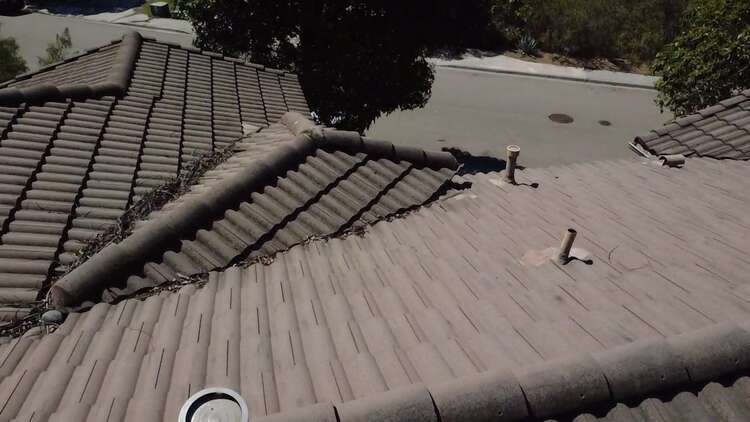
Clear leaves and dirt where roof planes meet. These collection points can hold moisture and direct water where it should not sit.
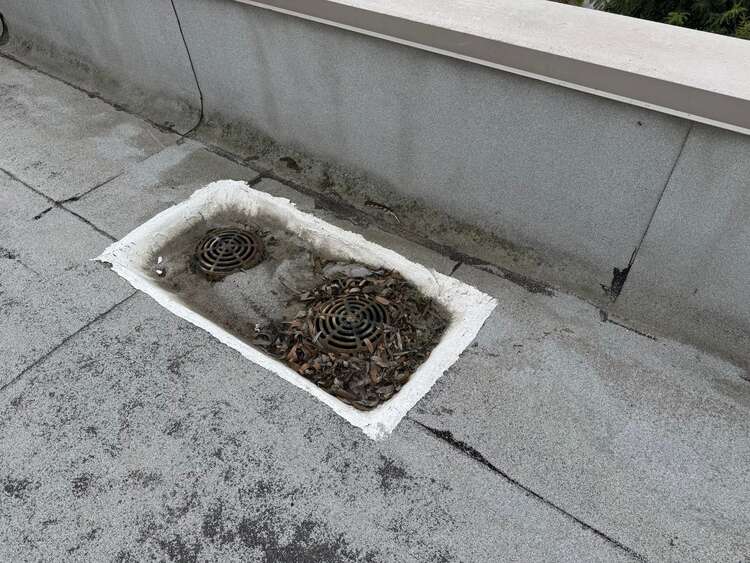
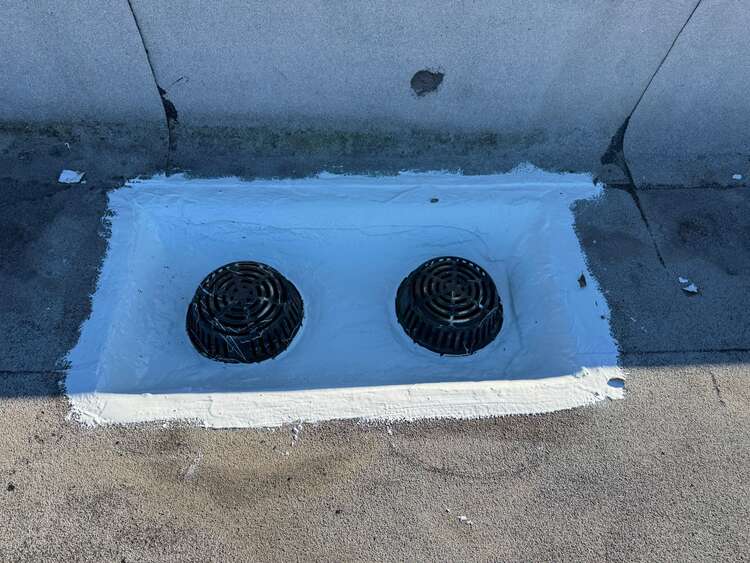
Remove debris around drains and confirm the visible drain path is open. These areas deserve attention before every storm.
Remove pine needles, leaves and buildup that can collect behind shingles, around flashings, and beneath tile edges.
Why schedule it
On shingle roofs, pine needles and dirt can trap moisture and interrupt normal drainage. On tile roofs, leaves collect in valleys and at transitions. On flat roofs, blocked drains can allow water to pond. The goal is simple: remove buildup before it becomes a drainage or roof-layer problem.
We recommend checking drainage before storm season and whenever nearby trees shed heavily.
Different roof, same goal
Pine needles, dirt and leaf buildup are removed from valleys, behind shingles, and around penetrations where debris can catch water.
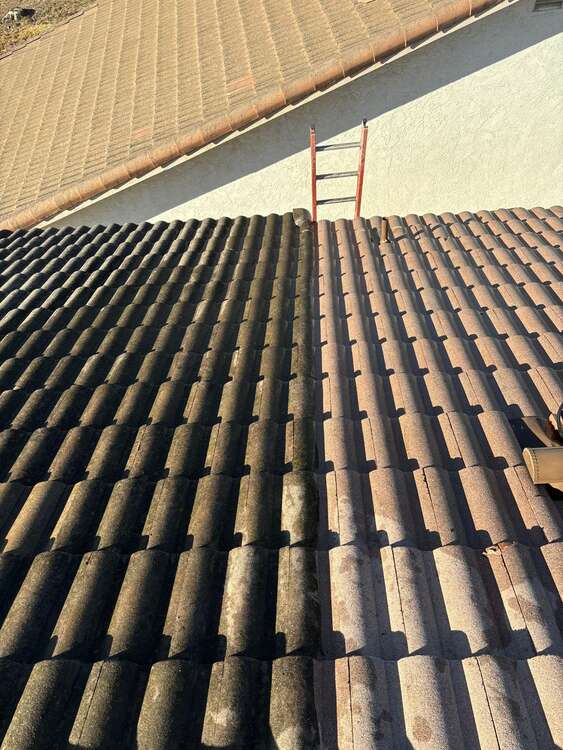
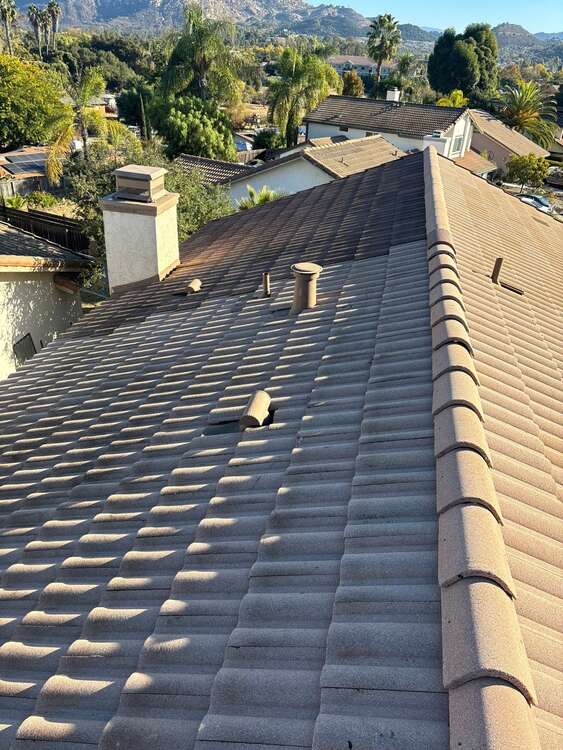
We focus on valleys, roof-to-gutter transitions and debris at tile edges without treating the roof like a surface to be cosmetically washed.
Drain bowls, scuppers and low areas are cleared so water has a visible path off the roof. We note ponding or repair concerns separately.
Actual field conditions
Straight answers
Yes. Clearing visible debris from gutters, valleys, drains and scuppers before storm season helps water move where the roof is designed to send it.
No. This service is drainage and debris maintenance, not pressure washing or cosmetic roof washing.
At least before storm season, and more often for properties with heavy tree cover, pine needles, flat-roof drains, or complex valleys.
We document visible concerns such as damaged tile, lifted shingles, drainage issues or deteriorated details and explain the appropriate next step separately.
Request maintenance
Photos of gutters, valleys, drains, overflow areas or nearby trees help us prepare for the visit.